
Overview: What the Elution Process Achieves
Gold elution transforms loaded activated carbon into recovered gold metal. It is a multi-step process that starts with receiving your carbon at the facility and ends with a weighed, assayed dore bar ready for refining. Everything in between is designed to maximise gold recovery while maintaining complete accountability for every gram.
This guide walks through each step as it happens at our facility in Bulawayo. The specifics may vary slightly between operations, but the core stages are universal across the industry.
Step 1: Receiving and Weighing
When loaded carbon arrives at the facility, the first task is accurate documentation. Each container, whether it is a drum, bag, or bulk delivery, is weighed individually on calibrated scales. The weights are recorded against a batch reference number that tracks this carbon through every stage of processing.
This initial weight is critical. It forms the baseline for the reconciliation report you receive at the end. If the input weight is wrong, the mass balance will not close properly, and that creates uncertainty about recovery. We take this step seriously.
The carbon should arrive wet. Loaded carbon that has dried out can lose fine gold particles as dust, which is unrecoverable. We advise clients to keep their carbon sealed and damp during transport.
Step 2: Sampling and Assaying
Representative samples are taken from the loaded carbon. Getting a truly representative sample from a batch of wet granular carbon is not as simple as scooping from the top. We use proper sampling protocols that account for the natural variation in gold distribution across the batch.
These samples go to assay. The assay tells us the gold loading on the carbon, measured in grams of gold per kilogram of carbon (g Au/kg C). This number is essential for two reasons: it tells us how much gold should be in the system, and it helps us choose the right elution parameters.
Typical gold loadings on carbon arriving for elution range from 500 g/t to 10,000 g/t or higher. The loading level affects elution time, strip solution requirements, and the approach we take.
Step 3: Carbon Assessment
Before loading the carbon into the elution column, we assess its physical condition. This is not about gold content, it is about the carbon itself. We check for signs of degradation, fouling, and contamination that could affect stripping performance.
Factors we evaluate include the amount of fine carbon (which can block flow through the column), the presence of organic fouling (which reduces adsorption and desorption rates), and evidence of mineral deposits like calcium carbonate on the carbon surface.
If the carbon is heavily fouled, we may recommend an acid wash pre-treatment before elution. This is standard in AARL systems and can significantly improve stripping efficiency. For ZADRA runs, we assess whether the fouling is severe enough to justify the extra step.
Read more about carbon condition and its impact on recovery in our guide to elution efficiency problems.
Step 4: Loading the Column
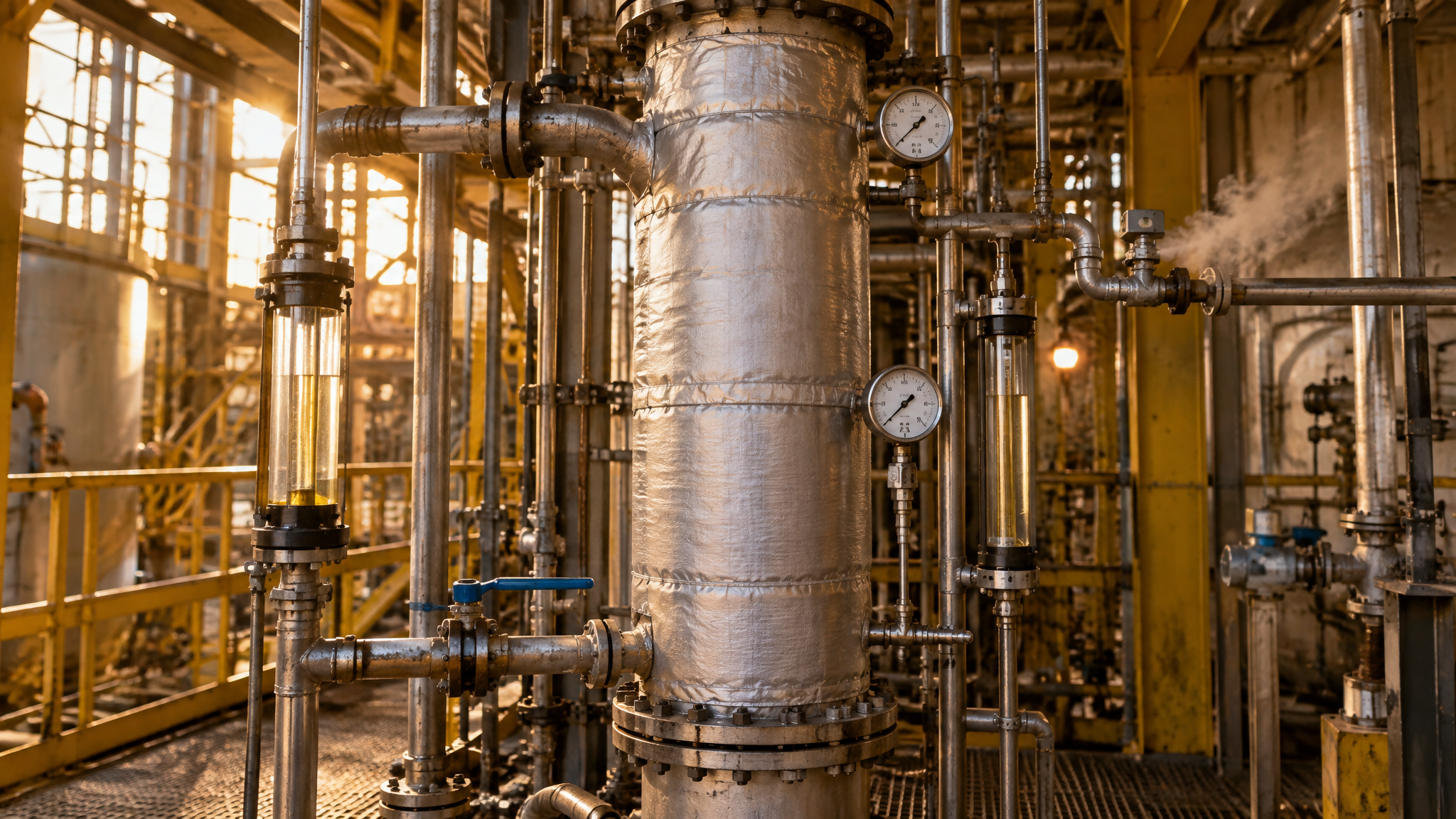
The assessed carbon is loaded into the elution column. The column is a vertical pressure vessel (for AARL) or atmospheric vessel (for ZADRA) designed to hold the carbon while hot strip solution passes through it.
Proper loading matters. The carbon bed needs to be evenly distributed with no channels or voids that would allow solution to bypass sections of the bed. Uneven flow means uneven stripping, with some carbon releasing its gold while other carbon retains it.
Our columns handle batches from small quantities up to 500kg. With 10 boilers on site, we can run multiple batches simultaneously.
Step 5: Acid Wash (AARL System)
In the AARL process, the loaded carbon goes through an acid wash before stripping. Dilute hydrochloric acid (typically 3% to 5% HCl) is circulated through the carbon bed at 80 to 90 degrees Celsius for 30 to 60 minutes.
The acid dissolves inorganic deposits like calcium carbonate, iron oxides, and other mineral foulants that have built up on the carbon surface. These deposits block pores and slow down the desorption of gold. Removing them before stripping improves the speed and completeness of elution.
The spent acid is drained, and the carbon is rinsed with clean water before the stripping solution is introduced. This prevents acid from contaminating the strip solution and interfering with gold desorption.
Step 6: Elution (Stripping)
This is the core of the process. Hot strip solution is introduced into the column and passed through the carbon bed. The solution typically contains 1% to 2% sodium hydroxide (NaOH) and 0.1% to 0.5% sodium cyanide (NaCN) in deionised or softened water.
For AARL systems, the solution is heated to 150 to 170 degrees Celsius under pressure. At these temperatures, the gold-cyanide complex on the carbon surface becomes unstable and releases into the solution. The high temperature and caustic environment drive the equilibrium strongly in favour of desorption.
For ZADRA systems, the solution runs at atmospheric pressure and 85 to 95 degrees Celsius. The lower temperature means stripping is slower, but the continuous circulation and in-circuit electrowinning keep the process efficient over the longer cycle time.
During stripping, we monitor solution temperature, flow rate, and pH continuously. We also sample the solution at intervals to track gold concentration. A rising gold concentration in the barren solution (the solution leaving the electrowinning cells) would indicate that the cells are not keeping up with the gold coming off the carbon.
Step 7: Electrowinning
The pregnant strip solution flows to electrowinning cells. These are tanks containing steel wool cathodes positioned between stainless steel anodes. When electrical current passes through the solution, gold and silver ions are reduced to metal and deposit on the steel wool.
The voltage and current density are carefully controlled. Too little current and gold passes through without being deposited. Too much and you waste energy and can generate unwanted side reactions. Typical operating conditions are 2 to 3 volts per cell at current densities of 100 to 200 amps per square metre.
In a ZADRA system, electrowinning happens continuously during the elution cycle, with the strip solution circulating in a closed loop between the column and the cells. In an AARL system, electrowinning is done as a batch process after the stripping is complete.
Well-maintained electrowinning cells recover 99%+ of the gold from the strip solution. Cell maintenance, clean cathodes, and consistent solution flow are the main factors. Learn more about recovery efficiency in our precious metal recovery service page.
Step 8: Cathode Harvesting and Smelting
Once the electrowinning cycle is complete, the loaded steel wool cathodes are removed from the cells. The gold and silver sludge is washed off the steel wool, filtered, and dried. This sludge typically contains 50% to 80% precious metals along with traces of base metals and other impurities.
The dried sludge is mixed with fluxes (borax, soda ash, and sometimes silica) and loaded into a smelting furnace. The fluxes help separate the precious metals from impurities by forming a slag layer on top of the molten metal.
After smelting, the slag is poured off and the molten metal is cast into a dore bar mould. The result is a rough alloy bar typically containing 70% to 90% gold, with the balance being silver and minor impurities.
Step 9: Assay and Weighing
The dore bar is weighed on a precision scale and a sample is taken for fire assay. The assay determines the exact gold and silver content of the bar. This information goes into the reconciliation report and determines the value of the recovered metal.
Step 10: Reconciliation Report
The final step is the reconciliation report. This document brings together all the data from the process: input carbon weight, carbon assay, strip solution volumes and assays, electrowinning data, dore bar weight and assay, stripped carbon weight and residual assay, and a mass balance.
The mass balance is the critical check. It compares the total gold accounted for (gold in dore + gold remaining on stripped carbon + gold in solutions and sludges) against the total gold input (from the loaded carbon assay). A well-run process should show a mass balance closure of 98% to 100%.
Any significant discrepancy triggers a review. We identify where the gold went and what caused the gap. This level of accountability is what separates a professional operation from a backyard setup.
After Elution: What Happens to Your Carbon
Stripped carbon still has value. After elution, it can be acid-washed, thermally regenerated in a kiln at 650 to 750 degrees Celsius, and returned to the circuit for reuse. Good carbon management extends the life of your carbon investment significantly.
We can return your stripped carbon for you to manage, or we can discuss carbon processing options including acid washing and regeneration advice.
Frequently Asked Questions
How much does gold elution cost?
Cost depends on carbon volume, gold loading, and the system used. Contact us with your details for a quote. We are transparent about pricing with no hidden fees.
Can I watch the elution process?
We welcome clients to visit the facility and observe the process. For safety reasons, some areas have restricted access, but we are happy to walk you through each stage and answer questions.
How often should I bring carbon for elution?
That depends on your operation's production rate and your carbon inventory. Some clients bring carbon weekly, others every few months. The key factor is gold loading: once your carbon reaches a worthwhile loading level, it makes sense to strip it. Leaving highly loaded carbon in the circuit for too long increases security risk and can slow down adsorption rates.